
Massachusetts weather doesn’t always play nice. One minute, everything’s running normally. The next, a Nor’easter, coastal storm, or downed tree leaves your neighborhood without utility power.
For homeowners across the South Shore, Cape Cod & Southeastern Massachusetts, power outages can mean more than sitting in the dark. Heating systems, sump pumps, refrigerators, and other household essentials can stop working.
A whole-home standby generator provides automatic backup power during utility power outages, but choosing the right system takes more than picking a brand or generator size.
With decades of electrical experience and hundreds of generator installations, Key Electric helps homeowners throughout Plymouth, Norfolk & Barnstable Counties prepare for unexpected power outages.
Before you invest, let’s explore 10 things you should know about installing a standby generator in Massachusetts.

1. Massachusetts Standby Generator Installations Require Permits
Do you need a permit to install a standby generator in Massachusetts? Yes. Permanent generator installations generally require electrical permits, while natural gas or propane fuel connections typically require additional gas-fitting permits.
Massachusetts follows the 2026 National Electrical Code (NEC) with state-specific amendments, effective April 24, 2026.
Depending on your town and property, installation requirements may include:
Requirements can vary between Norwell, Hanover, Kingston, and other Massachusetts communities.
Key takeaway: Work with a licensed generator installer who coordinates the required permits, inspections, a licensed electrician, and qualified gas-fitting professionals before work begins.
2. Generator Placement Matters More Than You Think
Where can you install a home standby generator on your Massachusetts property? Placement depends on manufacturer clearances, local zoning, property setbacks, exhaust direction, noise restrictions and service access.
Not every convenient spot beside your home is suitable.
For instance, homes in established South Shore neighborhoods may have limited outdoor space, nearby property lines, or windows close to the proposed installation.
Before selecting a location, a qualified installer should evaluate:
Some Massachusetts towns impose additional restrictions on outdoor mechanical equipment.
Key takeaway: Have your property evaluated before choosing a generator location. Proper planning can prevent costly changes during installation.
3. Coastal Homes Have Additional Installation Challenges
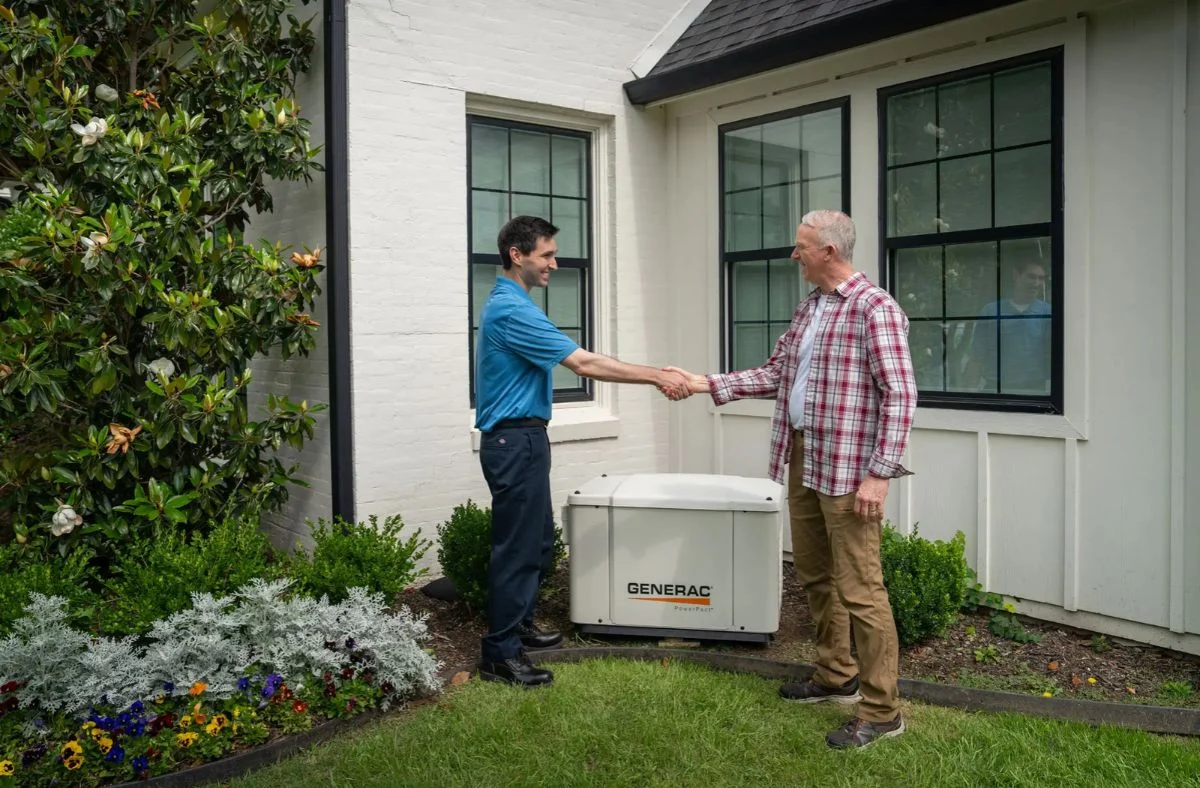
Can you install a standby generator in a Massachusetts coastal or flood zone? Yes, but coastal properties may require special attention to flooding, storm surge, salt exposure and environmental restrictions.
Homes throughout Duxbury, Mashpee, Yarmouth, and Cohasset face unique conditions. Salt air can accelerate corrosion, while coastal flooding can threaten improperly positioned electrical equipment.
Massachusetts’ Wetlands Protection Act also regulates certain projects near protected wetlands and coastal resource areas, including work within designated 100-foot buffer zones.
Homeowners should consider:
Here’s the catch: A home standby generator in a flood-prone location could be damaged by the same storm that interrupts utility power.
Key takeaway: Coastal generator installations should account for flooding, environmental regulations and long-term equipment protection.
4. Your Home’s Square Footage Doesn’t Determine Generator Size
What size standby generator does a Massachusetts home need? Generator capacity depends on electrical demand, appliance starting wattage, and the amount of backup power required—not simply square footage.
Think about a cold February evening. During power outages, what absolutely needs to keep running?
Common priorities include heating equipment, refrigerators, sump pumps, well pumps, lighting, and medical devices.
Even gas- or oil-fired heating systems often require electricity for blowers, controls, or circulating pumps.
Homeowners generally have two options:
Key Electric installs generators from Generac, Briggs & Stratton, KOHLER, and Champion, helping homeowners choose equipment suited to their property’s electrical needs.
Key takeaway: Have a licensed electrician assess your electrical loads before choosing your home standby generator’s kilowatt (kW) capacity.
5. Natural Gas & Propane Perform Differently in Massachusetts Winters
Is natural gas or propane better for a standby generator in Massachusetts? Both can provide dependable backup power, but the right choice depends on fuel availability, system capacity, and winter operating conditions.
Natural gas eliminates routine tank refills, but existing meters, piping, and fuel connections must support the generator’s demand.
Propane offers flexibility in communities without natural gas service, but tank sizing and cold-weather performance matter.
For homeowners in Kingston, Middleborough, Rockland, and throughout Plymouth, Norfolk, and Barnstable Counties, a proper fuel assessment should be part of the installation process.
Key takeaway: Generator fuel planning should account for more than availability. Your fuel system must support the generator’s operating demand, including during winter and extended power outages.
6. Automatic Backup Power Requires an Automatic Transfer Switch
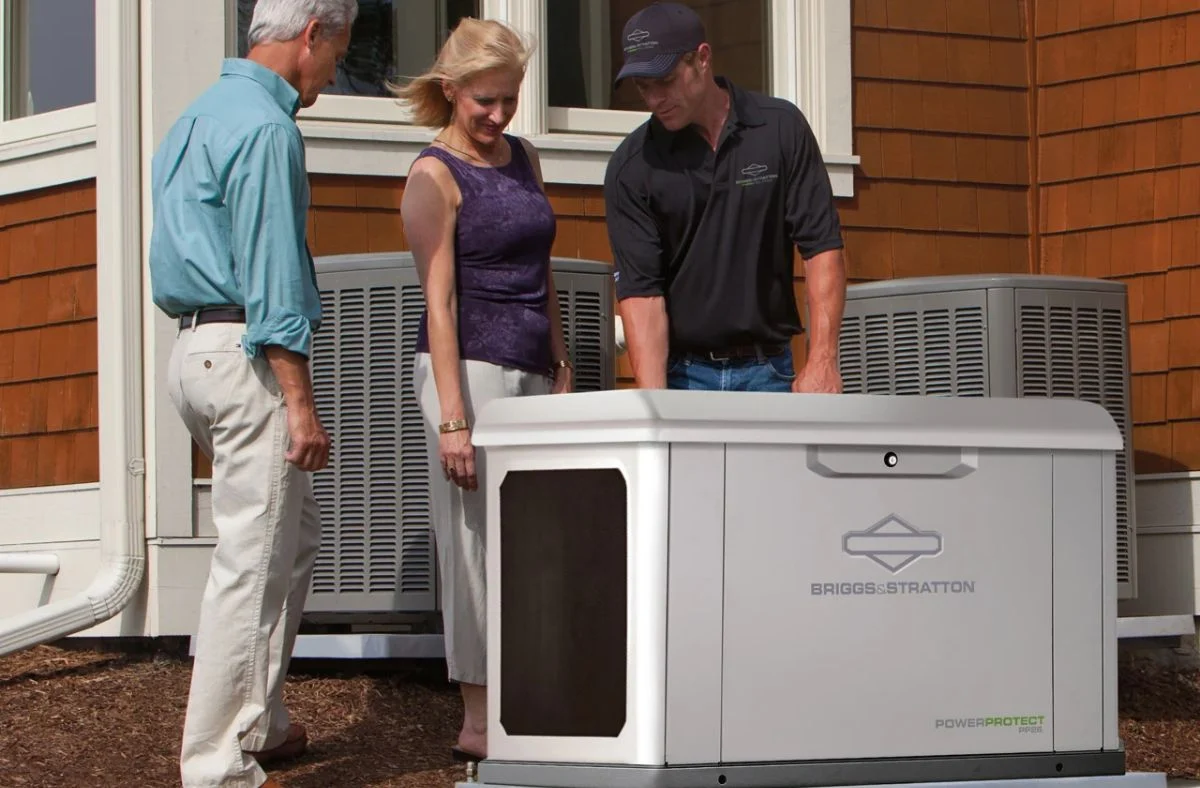
Why does a standby generator need an automatic transfer switch? An automatic transfer switch (ATS) detects utility power loss, transfers designated electrical loads to generator power,r and switches back when utility service is restored.
That’s what makes a home standby generator convenient during unexpected power outages.
Unlike portable generators that may require manual refueling, a home standby generator uses permanent fuel connections to its natural gas or propane supply.
A professional installer must also evaluate the home’s electrical panel, circuit configuration, and any existing solar or battery systems.
Older Massachusetts homes may require additional electrical upgrades to accommodate the installation.
Key Electric’s electrical services include panel upgrades, repairs, and residential electrical improvements, allowing homeowners to address existing infrastructure as part of generator planning.
Key takeaway: Proper transfer switch installation is essential for safe automatic operation and preventing hazardous electrical backfeeding.
7. Winter Weather Can Affect Generator Performance
Will a standby generator work during a Massachusetts snowstorm? Yes, properly installed and maintained standby generators are designed to provide backup power during winter power outages. However, snow accumulation, freezing temperatures, and blocked ventilation can affect operation.
A South Shore Nor’easter can bring heavy snow, freezing rain, powerful winds, and below-freezing temperatures.
That’s why cold-weather preparation matters.
Depending on the generator model, recommended precautions may include:
Key takeaway: Winter reliability starts with the right installation location, appropriate accessories, and a proactive maintenance schedule.
8. Generator Exhaust & Carbon Monoxide Safety Cannot Be Overlooked
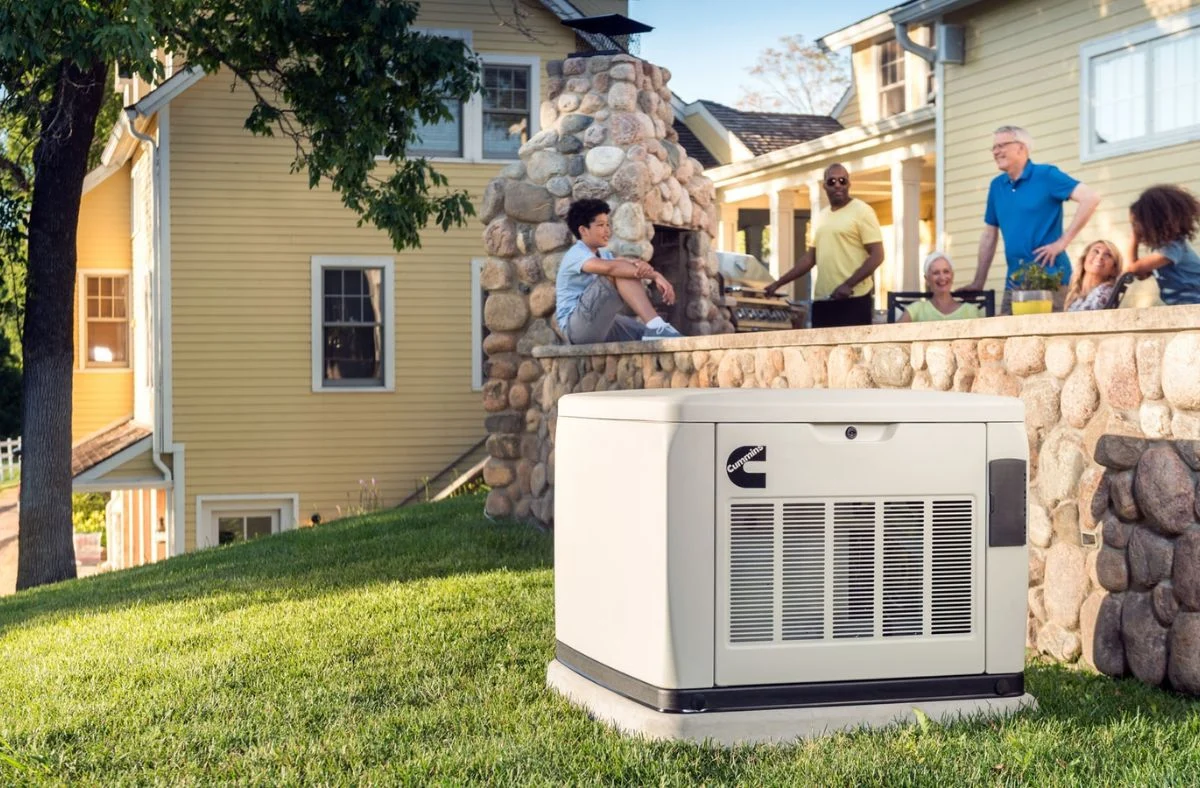
How far should a standby generator be from your Massachusetts home? The required distance depends on the generator model, manufacturer specifications, exhaust direction,n and applicable codes.
Carbon monoxide (CO) is an odorless, potentially deadly gas produced by fuel-burning equipment.
Improper generator placement can allow exhaust to enter the home through windows, doors, or ventilation openings.
Massachusetts also requires carbon monoxide alarms in most residences, generally on every level and within 10 feet of bedroom doors on sleeping levels.
Homeowners should understand that portable-generator placement recommendations are not interchangeable with manufacturer-approved standby-generator installation clearances.
Key takeaway: Professional generator placement must address exhaust ventilation, required clearances, and carbon monoxide safety for both your home and neighboring properties.
9. Massachusetts Requires Dig Safe Notification Before Excavation
Do you need to contact Dig Safe before installing a standby generator in Massachusetts? Yes, if the installation involves excavation, including trenching for electrical conduits or underground gas connections.
Massachusetts requires Dig Safe notification at least 72 business hours before excavation, excluding weekends and legal holidays.
Dig Safe helps identify underground utility infrastructure before digging begins.
However, privately owned lines, irrigation systems, septic infrastructure, and certain underground connections may require separate investigation.
Homeowners can contact Dig Safe by dialing 811. When a contractor performs the excavation, that contractor is responsible for having a valid Dig Safe ticket.
Key takeaway: Underground utility planning should happen before excavation, helping prevent installation delays, damaged infrastructure and dangerous utility strikes.
10. Generator Maintenance Is Just as Important as Installation
What should you ask before hiring a standby generator installer in Massachusetts? Ask about licensing, equipment brands, permitting, warranties, complete installation costs, and long-term maintenance support.
A generator is a significant investment, and the cheapest installation quote doesn’t always provide the best value.
Long-term service matters, too.
A standby generator can sit idle for months before you need it during a major outage. Routine exercise cycles, battery inspections, oil changes, and professional servicing help keep it ready.
Before selecting a generator dealer, ask three questions:
Key Electric combines decades of electrical experience with standby generator installation, maintenance, and repair services throughout Southeastern Massachusetts.

Protect Your Massachusetts Home Before the Next Power Outage
From winter Nor’easters and coastal storms to unexpected utility failures, Massachusetts homeowners have plenty of reasons to invest in reliable backup power.
The right standby generator can keep essential appliances, heating equipment, and household systems running when the power goes out.
Key Electric helps homeowners throughout Plymouth, Norfolk & Barnstable Counties choose, install, and maintain dependable standby generator systems.
Serving Norwell, Duxbury, Cohasset, Rockland, Yarmouth, and surrounding South Shore & Cape Cod communities, our licensed electrical team is ready to help you prepare for the next outage.
Ready to explore your backup power options? Contact Key Electric to schedule a generator consultation and take the next step toward reliable whole-home protection.